














posted 6th October 2026

Live-in Care or a Care Home? What's Right for Your Family
For a lot of families, this is the decision that everything else hangs off - and it can feel like it has to be made in a hurry, often after a hospital stay or a health scare. It's worth slowing down where you can, because the two options suit very different people, and the answer isn't always the one you'd assume.
What live-in care actually looks like
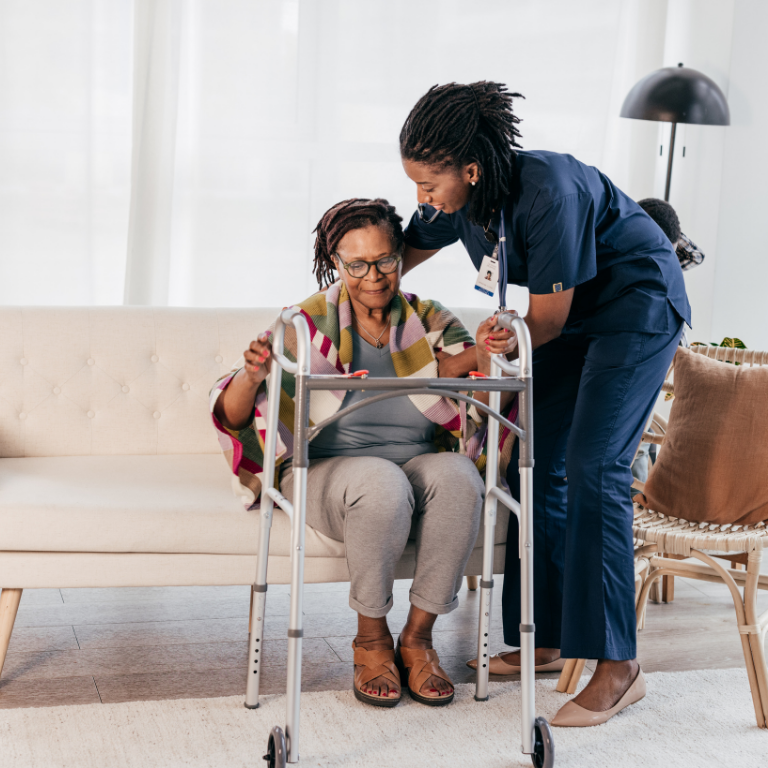
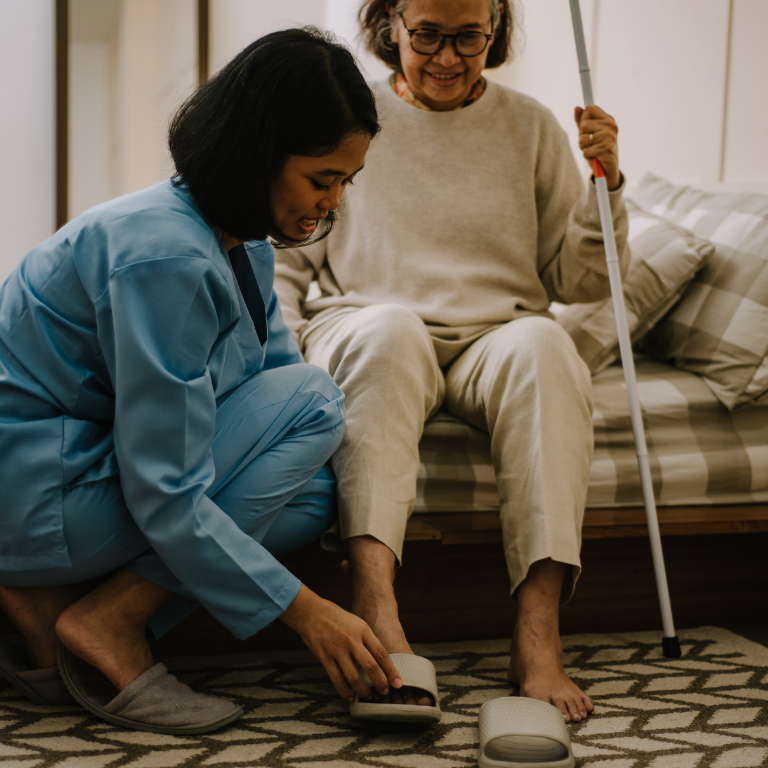
A live-in carer moves into the person's own home and provides support around the clock: help with washing and dressing, meals, medication, mobility, and company throughout the day, with sleep-in cover overnight. The person stays in their own house, their own bed, their own routine, with their own pets and neighbours still around them. For a couple, it means they can usually stay living together, which a care home move often can't offer without a much higher combined cost.
What a care home offers instead
A residential or nursing care home provides a built-in community, staff on-site at all times, and, for nursing homes specifically, access to qualified nursing care for more complex medical needs. It can suit people who'd otherwise feel isolated at home, or whose needs are intensive enough that round-the-clock clinical support matters more than staying in familiar surroundings.
What it actually costs in 2026
Based on current UK averages*:
- Live-in care: roughly £900–£2,000 per week, depending on the level of need
- Residential care home: around £1,298 per week on average
- Nursing home: around £1,535 per week on average
A care home is usually the cheaper option for one person with lower-level needs. But the gap narrows, and can reverse, in a few common situations:
- Couples. Couples. Live-in care lets two people stay together at home, with their care planned around both of them. Each partner's care is charged, so it isn't automatically cheaper than two care home places. How the costs compare depends on both partners' needs, and for many couples the deciding factor is not being separated.
- Higher-level needs. As needs increase, live-in care costs rise too, and at the top end it can cost more than residential care — though usually still less than a nursing home for genuinely complex medical needs.
- The home itself. If there's an outstanding mortgage, staying at home costs more by comparison. If the property is owned outright, its value isn't counted in a financial assessment for care at home. It may be counted if the person moves permanently into a care home. The exception is if a partner, or certain relatives such as someone aged 60 or over or with a disability, still lives there. This can affect what local authority support you're entitled to.
A simple way to think it through
Rather than starting with cost, it can help to start with three questions:
- Does staying in their own home and community matter to them?
For many people, especially those with dementia, familiar surroundings genuinely reduce confusion and distress - this isn't just sentiment, it has a real clinical basis.
- Is there a partner, pet, or home they don't want to leave?
This is often the deciding factor in practice, regardless of cost.
- How complex are the medical needs, realistically - now, and in six months?
Live-in care can flex a long way, but very intensive nursing needs are where a nursing home's on-site clinical staff can outperform a single live-in carer.
Frequently asked questions
Is live-in care always more expensive than a care home?
No. For lower-level needs, it's often similar and for couples the comparison depends on both partners' needs. It tends to become more expensive than residential care only once needs are high and ongoing.
Can live-in care cover nursing-level needs?
To a point, and with the right carer and support plan, but very complex or unstable medical needs are usually better suited to a nursing home with clinical staff on-site around the clock.
What happens if needs increase after choosing live-in care?
A good care provider will review and adjust the care plan as needs change - increasing hours, adding a second carer, or bringing in specialist support - so it's rarely a fixed, one-off decision.
Fernsby Brookes provides live-in care and home care across Warwickshire, including Rugby, Coventry, Leamington Spa and Nuneaton. We're CQC-rated "Good" and rated 9.6/10 by the families we work with. If you're weighing this up for someone you love, get in touch and we'll talk it through honestly, including whether we think home care is the right fit.
*Source: Is live-in home care cheaper than a care home in 2026? — carehome.co.uk
